Laparoscopic Surgery Explained: Common Procedures, Benefits and Recovery
Introduction
Laparoscopic surgery is a minimally invasive surgical technique used to diagnose and treat various medical conditions. Instead of making one large incision, the surgeon generally uses small incisions, a camera and specialised instruments to perform the procedure.
For patients considering laparoscopic surgery in Faridabad, understanding the different procedures, potential benefits, risks and recovery process can help them make informed decisions with their doctor.
What Is Laparoscopic Surgery?
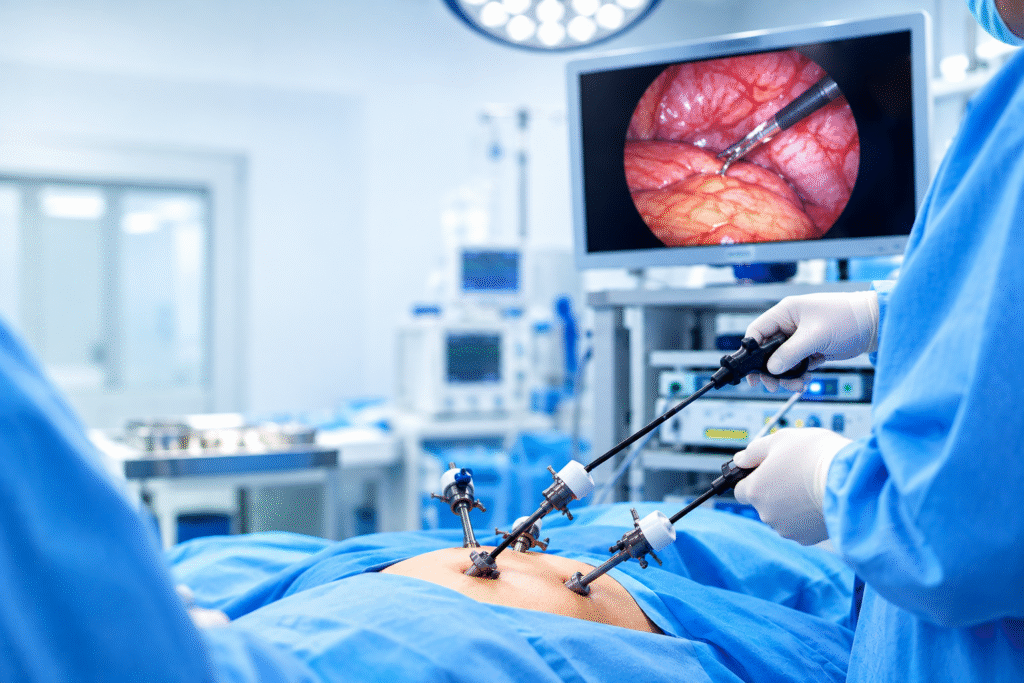
Laparoscopic surgery, also known as keyhole surgery, involves inserting a thin instrument called a laparoscope through a small incision. The laparoscope has a camera that provides images of the internal organs on a monitor, allowing the surgeon to operate using specialised instruments.
The number and size of incisions depend on the procedure being performed. Laparoscopic surgery is commonly used for selected abdominal and pelvic operations.
However, it is not suitable for every patient or every condition. A qualified surgeon assesses the patient’s medical history, diagnosis and overall health before recommending an appropriate surgical approach.
Common Types of Laparoscopic Surgery
Laparoscopic techniques can be used for several procedures depending on the patient’s condition and the surgeon’s expertise.
1. Laparoscopic Gallbladder Surgery
Laparoscopic cholecystectomy is a procedure to remove the gallbladder, often when gallstones cause symptoms or complications.
The surgeon uses small incisions and a camera to remove the gallbladder. Recovery depends on the patient’s health, the severity of the condition and whether complications occur.
2. Laparoscopic Hernia Repair
Certain types of hernias can be repaired using laparoscopic techniques. A hernia occurs when tissue pushes through a weakened area of muscle or connective tissue.
The most suitable approach depends on the type of hernia, its size, previous operations and the patient’s overall health.
3. Laparoscopic Appendix Surgery
Laparoscopic appendectomy involves removing an inflamed appendix through small incisions. It may be recommended for selected patients with appendicitis.
Appendicitis can require urgent medical attention. Severe abdominal pain, particularly when accompanied by fever or vomiting, should be assessed promptly by a healthcare professional.
4. Gynaecological Laparoscopic Procedures
Laparoscopy may be used for selected gynaecological conditions, including endometriosis, certain ovarian cysts and other pelvic problems.
The treatment approach depends on the diagnosis, the patient’s symptoms and reproductive health considerations. A qualified gynaecologist can explain the available options.
5. Other Abdominal Procedures
Some intestinal and other abdominal operations may also be performed laparoscopically. The choice of technique depends on the condition being treated, its complexity and the patient’s clinical circumstances.
What Are the Benefits of Laparoscopic Surgery?
For appropriately selected patients, laparoscopic surgery may offer several advantages compared with traditional open surgery.
Smaller Incisions
Laparoscopic procedures generally require smaller incisions than many open operations. This may result in smaller scars.
Less Postoperative Pain
Some patients experience less pain after laparoscopic surgery, although the amount of discomfort varies according to the procedure and the individual.
Potentially Shorter Hospital Stay
Many laparoscopic procedures allow patients to leave the hospital sooner than comparable open operations. However, the expected hospital stay depends on the operation and recovery progress.
Earlier Return to Daily Activities
Some patients can resume light activities sooner after minimally invasive surgery. The timing of returning to work, exercise and heavy lifting should always follow the surgeon’s advice.
Reduced Wound-Related Complications in Some Procedures
Smaller incisions may reduce certain wound-related complications in selected operations. The overall risk depends on the patient’s health, the procedure and postoperative care.
These benefits are not guaranteed. Laparoscopic surgery also carries risks, and some operations may need to be converted to open surgery for safety reasons.
Laparoscopic Surgery vs Open Surgery
Both laparoscopic and open surgery can be effective treatments. The appropriate approach depends on the medical condition and the surgeon’s assessment.
Laparoscopic surgery
- Usually involves several small incisions.
- Uses a camera and specialised instruments.
- May result in less postoperative pain for certain procedures.
- May allow a shorter recovery period in suitable cases.
Open surgery
- Usually involves a larger incision.
- Allows direct access to the surgical area.
- May be preferable for certain complex conditions or emergencies.
- May be necessary when laparoscopic surgery is unsuitable or cannot be completed safely.
Neither approach is automatically better for every patient. Your surgeon can explain the advantages, risks and alternatives for your specific condition.
How Long Does Recovery From Laparoscopic Surgery Take?
Laparoscopic surgery recovery time varies depending on the operation, the patient’s overall health and whether complications develop.
Some patients resume light activities within a few days, while more complex procedures may require several weeks or longer for recovery.
Your surgeon will provide individual instructions regarding wound care, physical activity, medicines and follow-up appointments.
Tips for Recovery After Laparoscopic Surgery
- Follow your surgeon’s discharge instructions carefully.
- Take prescribed medication as directed.
- Keep the incision sites clean and follow the recommended wound-care instructions.
- Resume walking and daily activities according to medical advice.
- Avoid heavy lifting and strenuous exercise until your surgeon confirms it is safe.
- Attend scheduled follow-up appointments.
- Ask your healthcare team when you can return to work, drive or exercise.
Seek urgent medical assessment if you experience severe or worsening abdominal pain, difficulty breathing, persistent vomiting, significant bleeding, fever or increasing redness and discharge around a surgical wound.
What Are the Risks of Laparoscopic Surgery?
Although laparoscopic surgery is commonly performed, it is still a surgical procedure and carries potential risks.
Possible complications include bleeding, infection, reactions to anaesthesia, injury to nearby organs and blood clots. Some patients may require additional treatment or conversion to open surgery.
The likelihood of complications varies according to the procedure, the patient’s medical history and other individual factors.
Before surgery, discuss the expected benefits, potential complications, alternative treatments and recovery requirements with your surgeon.
How to Prepare for Laparoscopic Surgery
Your preparation instructions will depend on the planned procedure and your medical history.
Before surgery, your healthcare team may advise you to:
- Complete any recommended examinations and investigations.
- Inform your doctor about existing medical conditions, allergies and all medicines or supplements you take.
- Follow the specific instructions regarding food and drink before anaesthesia.
- Discuss whether any medicines need to be adjusted.
- Arrange transport and support at home if required after discharge.
- Ask about the expected hospital stay and postoperative care.
Do not stop prescribed medication or change your treatment without guidance from your healthcare professional.
Questions to Ask Before Laparoscopic Surgery
Before agreeing to a procedure, consider asking your surgeon:
- Why is this operation recommended for my condition?
- Is laparoscopic surgery suitable for me?
- What alternatives are available?
- What are the main risks and potential benefits?
- How long will recovery take?
- When can I return to work and normal activities?
- What follow-up care will I need?
Understanding the answers can help you prepare for surgery and make an informed decision.
How to Choose the Right Laparoscopic Surgeon in Faridabad
If you are looking for laparoscopic surgery in Faridabad, consider the surgeon’s recognised qualifications, relevant experience, hospital facilities and ability to explain the treatment plan clearly.
Ask whether the surgeon regularly performs the specific procedure you need, what alternatives are available and what postoperative support the hospital provides.
You can also read our related guide: How to Choose the Best Laparoscopic Surgeon in Faridabad, which explains the factors patients should consider when selecting a surgeon.
To explore the hospital’s surgical services, visit the relevant service page on the official Arsh Hospital website and confirm the availability of the procedure, surgeon details and appointment options directly with the hospital.
Conclusion
Laparoscopic surgery is an important minimally invasive option for treating several medical conditions. For suitable patients, it may offer smaller incisions, less postoperative discomfort and a potentially quicker return to routine activities.
However, the right surgical approach depends on the patient’s diagnosis, medical history and the complexity of the procedure. Discuss your options, potential risks and recovery expectations with a qualified surgeon before making a treatment decision.
For further information about laparoscopic surgery services in Faridabad, visit the official Arsh Hospital website or contact the hospital to confirm available services and consultation arrangements.
Medical disclaimer: This article is intended for general educational purposes only. It does not replace a professional medical consultation, diagnosis or individualised treatment advice.
Frequently Asked Questions
No. Laparoscopic surgery may offer advantages for selected procedures, but open surgery may be more appropriate in certain cases. Your surgeon will recommend an approach based on your condition.
Patients may experience pain or discomfort after surgery. The intensity varies according to the procedure, and the medical team will advise you about appropriate pain management.
The duration depends on the type and complexity of the operation. Your surgeon can provide an estimate based on your treatment plan.
This depends on the procedure, your recovery and the physical demands of your job. Follow your surgeon’s individual advice.