Diabetes Expenses in India: What You Pay Every Month (and How to Lower It Naturally)
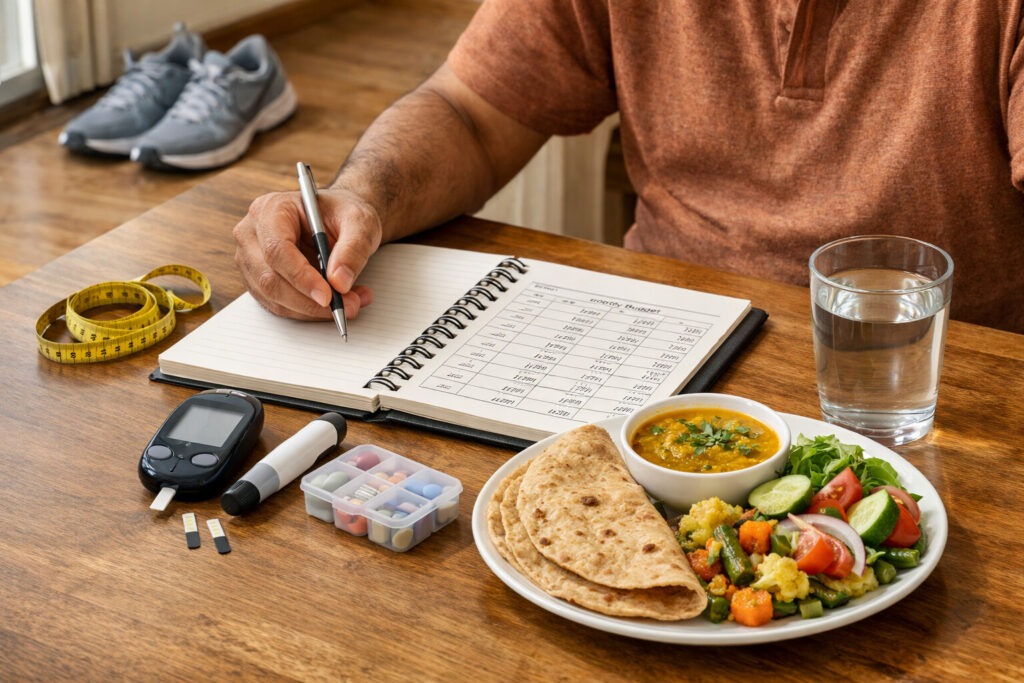
Diabetes expenses in India are not just about medicines—they’re a monthly budget line that quietly grows over time. Most people count only tablets or insulin, but real spending also includes monitoring supplies, lab tests, doctor visits, travel, and diet changes.
The good news: you can often reduce the monthly burn (and lower long-term risk) with consistent, realistic lifestyle steps—without expensive “diet foods” or extreme routines.
What you actually pay every month with diabetes
Even if your medicines feel affordable, diabetes costs usually come from multiple buckets:
1) Medicines and injections
- Oral tablets (and sometimes multiple drugs over time)
- Insulin (if prescribed), needles/pen tips, storage needs
- Add-ons for BP, cholesterol, nerve pain, etc. (common in long-term diabetes)
Reality check: Newer injectable medications can be pricey. For example, Reuters reported Ozempic’s launch pricing in India at roughly ₹8,800 per month for the lowest weekly dose (based on the article’s cited pricing).
2) Home monitoring supplies
- Glucometer strips and lancets
- Occasional ketone strips (in certain cases)
- Batteries, alcohol swabs, etc.
3) Lab tests (the “quarterly cost” that becomes monthly)
- HbA1c (usually every 3 months, as advised)
- Lipid profile
- Kidney function tests, urine albumin
- Eye and foot checks (periodic but essential)
4) Doctor visits and travel
- Consultation fees
- Commute cost + time cost (missed work hours)
5) Food and lifestyle changes
- More vegetables/protein, fewer processed snacks
- Cooking oil upgrades, portion control tools
- Walking shoes/gym (optional)
What studies show: Out-of-pocket spending is common in India, and medicines usually take the biggest share. One Indian study (2018) reported an average total expenditure around ₹1,264.80 per month, with medicines contributing a major portion. A more recent study (2025) reported monthly median direct OOP ~₹1,500 and indirect ~₹505 among participants.
(Your personal monthly spend can be higher or lower depending on complications, city, and treatment plan.)
The biggest “hidden cost”: complications (especially kidney damage)
The truly expensive phase often begins when diabetes stays uncontrolled for years and starts affecting organs—especially kidneys, heart, nerves, and eyes.
Why kidney health matters financially
Diabetes is a leading cause of kidney failure in many settings, and diabetic kidney disease can progress quietly. Research reviews commonly estimate diabetic kidney disease develops in about ~40% of people with diabetes.
If kidney function drops significantly, care costs can increase sharply—sometimes requiring frequent specialist visits and, in advanced stages, dialysis. If you’re looking for service information locally, you can explore Arsh Hospital’s best Faridabad dialysis facility page for an overview of dialysis support.
How to lower diabetes expenses naturally (without risky shortcuts)
This is not about “replacing treatment.” It’s about reducing spikes, improving control, and cutting preventable costs.
1) Eat for stable blood sugar (not “diet food”)
You don’t need expensive packaged “diabetic” products. Most savings come from repeatable meals that reduce cravings and outside food.
Use the ½–¼–¼ plate method:
- ½ plate: non-starchy vegetables (fiber + volume)
- ¼ plate: protein (dal, chana, paneer, curd, eggs, soy, fish/chicken if you eat it)
- ¼ plate: carbs (roti/rice in controlled portion; prefer whole grains/millets when possible)
- Add a small portion of healthy fats (nuts/seeds) if it fits your plan
Why it saves money: fewer cravings → fewer snacks/food delivery → fewer “sugar crash” days.
2) Walk after meals (free, simple, effective)
A gym membership is optional. Brisk walking is not.
Even 10–15 minutes after meals can help reduce post-meal sugar spikes and supports weight management.
Why it saves money: better numbers → fewer medication escalations and fewer complication risks over time.
3) Cut “liquid sugar” first (fastest ROI change)
If you do only one thing this week, do this:
- Reduce sugar in tea/coffee gradually
- Avoid packaged juices/soft drinks
- Watch “healthy” cold coffees and shakes
Why it saves money: these are daily recurring purchases that also push sugar fluctuations.
4) Protein + fiber = fewer cravings = lower spending
Many Indian meals become carb-heavy (roti/rice + potato) with low protein. This leads to hunger soon after eating.
Low-cost upgrades:
- Add curd or dal to meals
- Add sprouts/roasted chana as snacks
- Add a bowl of salad/vegetables at lunch and dinner
5) Sleep and stress: the hidden cost multipliers
Poor sleep and chronic stress increase:
- sugar cravings
- late-night snacking
- inconsistent routines
Simple habits that help:
- fixed sleep/wake time most days
- screen cutoff 30–60 minutes before bed
- light evening walk
Why it saves money: fewer “emotional eating” spikes + better consistency.
A “monthly budget” approach that works
Instead of obsessing daily, focus on predictable routines and scheduled prevention.
Make a diabetes spending plan (simple version)
- Fixed: medicines (as prescribed)
- Monthly: strips/supplies (based on recommended testing)
- Quarterly: HbA1c + basic labs (set aside monthly)
- Yearly: eye/foot check reminders
This prevents “sudden” expenses that actually weren’t sudden.
The biggest money-wasting diabetes mistakes (and quick fixes)
Mistake 1: Skipping meals → overeating later
Fix: keep a reliable breakfast (2–3 options you can rotate).
Mistake 2: Random internet diet plans
Fix: pick one sustainable structure (balanced plate + walking) and follow it for 8–12 weeks.
Mistake 3: Ignoring kidney and heart monitoring
Fix: schedule labs and checkups on time—because late detection costs more.
Mistake 4: Treating symptoms, not habits
Fix: one habit per week (reduce sugar in tea, add post-lunch walk, add protein at breakfast, etc.)
A practical “7-day starter routine” to reduce costs naturally
Day 1–2: Replace sugary drink(s) with water/unsweetened option
Day 3: Add protein to breakfast (curd/eggs/paneer/dal)
Day 4: Add 10-minute walk after one main meal
Day 5: Add salad/vegetables to lunch
Day 6: Swap one packaged snack with fruit/roasted chana
Day 7: Plan next week’s 3 repeatable breakfasts + 2 repeatable lunch options
Small, consistent upgrades beat strict plans that collapse.
FAQs
Yes. Most savings come from fewer spikes, fewer cravings, fewer outside meals, and consistent monitoring—not from costly “special” products.
Complications—especially kidney disease, heart disease, nerve and eye problems—because they increase ongoing care needs.
Lifestyle changes can strongly support better control, but medication changes should only be done with a clinician’s guidance.
Final takeaway
With consistent habits, you can reduce diabetes expenses in India month by month by improving sugar control, preventing complications, and avoiding repeat “spike-and-crash” costs.
Think of diabetes management like a monthly subscription: you either pay small, planned costs (healthy routine + monitoring) or you risk big, unplanned costs later (complications and hospital-driven care). The goal isn’t perfection—it’s consistency.