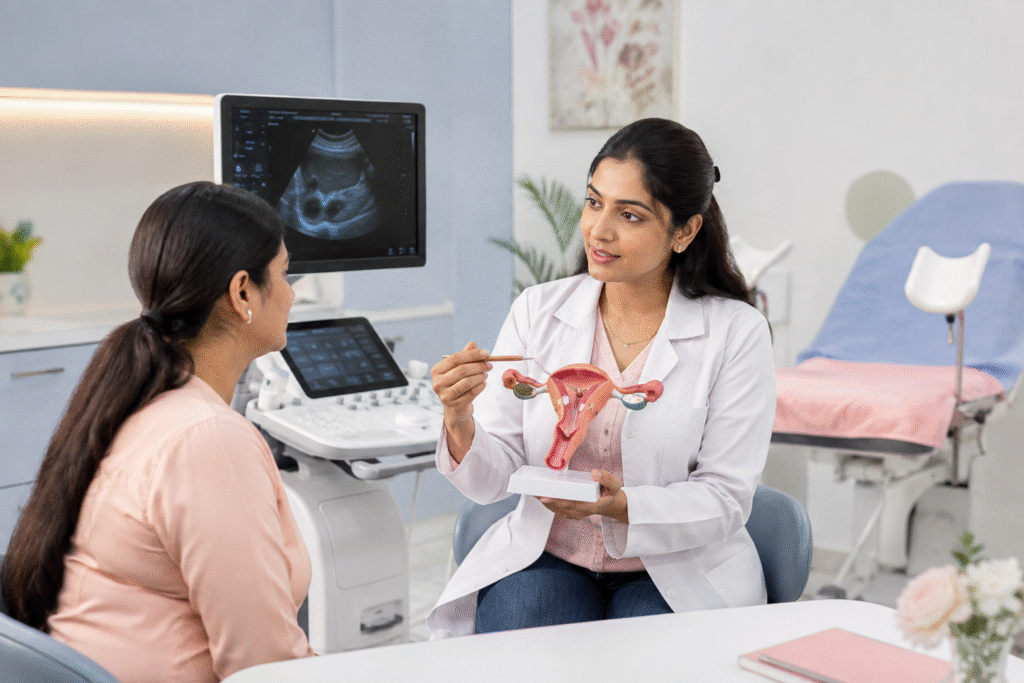
Heavy Periods and Pelvic Pain: When to See a Gynecologist in Faridabad
Introduction
Heavy periods and pelvic pain are common concerns, but they should not always be considered a normal part of menstruation. Some women experience heavier bleeding, severe cramps, lower abdominal pain, or discomfort between periods that begins affecting work, sleep, exercise, or daily activities. When these symptoms become frequent, severe, or different from your usual cycle, consulting a gynecologist in Faridabad can help identify the possible cause and guide appropriate treatment.
Menstrual patterns vary from one woman to another. However, sudden changes in bleeding or persistent pelvic discomfort may be linked with hormonal changes, fibroids, PCOS, endometriosis, infections, or other gynecological conditions. Early evaluation can help women understand whether symptoms need simple monitoring or further medical investigation.
What Is Considered a Heavy Period?
A period may be considered unusually heavy when bleeding becomes significantly more than your normal pattern or interferes with daily life. Some women may need to change sanitary products very frequently, experience bleeding for more days than usual, or pass large blood clots.
Heavy menstrual bleeding may also be associated with:
- Tiredness or weakness
- Dizziness
- Shortness of breath
- Pale skin
- Difficulty performing routine activities
- Severe menstrual cramps
Repeated heavy bleeding can sometimes contribute to iron-deficiency anaemia. Women experiencing these symptoms should consider discussing them with a gynecologist in Faridabad rather than relying only on painkillers or home remedies.
What Causes Heavy Periods?
There can be several possible reasons for heavy menstrual bleeding. The exact cause can only be determined after proper medical evaluation.
Common causes may include:
1. Hormonal Imbalance
Hormonal changes can affect the normal menstrual cycle and lead to heavier or irregular bleeding. These changes may occur during adolescence, reproductive years, or around menopause.
2. PCOS
Polycystic ovary syndrome can affect ovulation and menstrual regularity. Some women with PCOS experience irregular periods, while others may have prolonged or unusually heavy bleeding.
Women with irregular cycles, acne, weight changes, or excess facial hair may need evaluation for PCOS treatment in Faridabad.
3. Uterine Fibroids
Fibroids are non-cancerous growths that develop in or around the uterus. Depending on their size and location, they may cause heavy periods, pelvic pressure, frequent urination, or lower abdominal discomfort.
4. Endometriosis
Endometriosis occurs when tissue similar to the lining of the uterus grows outside the uterus. It may cause severe menstrual cramps, pelvic pain, painful intercourse, or discomfort during bowel movements.
5. Other Medical Conditions
Thyroid problems, certain medicines, infections, bleeding disorders, or other gynecological conditions may also contribute to heavy menstrual bleeding.
Understanding Pelvic Pain
Pelvic pain refers to discomfort in the lower abdomen or pelvis. It may occur before or during periods, between menstrual cycles, or throughout the month.
Pelvic discomfort may feel like:
- Cramping
- Pressure
- Sharp pain
- Dull aching
- Lower abdominal heaviness
- Pain radiating toward the back or thighs
Occasional mild discomfort may not be concerning. However, persistent or worsening pelvic pain should be evaluated by a gynecologist in Faridabad, especially if it is accompanied by abnormal bleeding, fever, unusual discharge, or difficulty with daily activities.
When Should You See a Gynecologist?
Women should consider scheduling a medical consultation when menstrual or pelvic symptoms begin changing noticeably.
You should seek medical advice if:
- Your periods suddenly become much heavier
- Bleeding continues longer than usual
- You experience severe pelvic or menstrual pain
- Periods become increasingly irregular
- You bleed between periods
- You experience bleeding after menopause
- You feel extremely weak or dizzy during periods
- Pelvic pain continues even when you are not menstruating
- You experience unusual vaginal discharge
- Symptoms affect work, sleep, or everyday activities
A gynecologist in Faridabad can review your menstrual history, symptoms, medical history, and other health factors before recommending investigations.
Tests That May Be Recommended
The tests required depend on the patient’s symptoms and suspected cause. A gynecologist may recommend:
- Blood tests
- Haemoglobin testing
- Thyroid evaluation
- Pregnancy testing
- Pelvic ultrasound
- Hormonal investigations
- Other gynecological tests when required
Women with irregular periods, weight changes, acne, or other signs of hormonal imbalance may also be evaluated before starting PCOS treatment in Faridabad.
The aim of testing is not simply to identify a symptom but to understand the underlying reason behind the bleeding or pelvic pain.
Why Early Diagnosis Matters
Many women tolerate painful or heavy periods for months or years because they assume these symptoms are normal. However, persistent symptoms deserve medical attention.
Early evaluation can help:
- Identify the underlying cause
- Detect anaemia caused by heavy bleeding
- Begin appropriate treatment sooner
- Reduce unnecessary discomfort
- Monitor hormonal or uterine conditions
- Support fertility and reproductive health when relevant
Consulting the best gynaecologist in Faridabad should be based on factors such as doctor experience, communication, diagnostic access, comfort, and continuity of care rather than only promotional claims.
Treatment Depends on the Cause
There is no single treatment for heavy periods or pelvic pain. The appropriate approach depends on the diagnosis, age, symptoms, medical history, and whether the patient is planning a pregnancy.
Treatment may involve:
- Medicines for pain or bleeding
- Hormonal treatment
- Iron supplementation when anaemia is present
- Lifestyle guidance
- Management of PCOS or thyroid conditions
- Further procedures when medically necessary
Women receiving PCOS treatment in Faridabad may require a combination of lifestyle changes, medicines, hormonal management, and regular follow-up depending on their individual symptoms.
Benefits of Hospital-Based Gynecology Care
Choosing a hospital-based gynecologist in Faridabad can make evaluation and follow-up more convenient. Patients may need consultation, blood tests, ultrasound, specialist advice, or additional medical support during the same treatment journey.
At Arsh Hospital, women can seek gynecology consultation and hospital-based diagnostic support for menstrual, hormonal, pregnancy-related, and other women’s health concerns. Coordinated care can help patients move more smoothly from initial evaluation to diagnosis and follow-up.
Supporting Better Menstrual Health
Women can also support menstrual health by maintaining a healthy lifestyle. Adequate sleep, regular physical activity, balanced nutrition, stress management, and maintaining a healthy body weight may help overall hormonal health.
Keeping a period diary can also be useful. Record:
- Start and end date of periods
- Bleeding intensity
- Presence of clots
- Pelvic pain severity
- Other symptoms such as fatigue or dizziness
This information can help a gynecologist in Faridabad better understand changes in your cycle.
Conclusion
Heavy periods and pelvic pain should not automatically be accepted as normal, especially when symptoms are severe, persistent, or begin interfering with everyday life. Possible causes may include hormonal imbalance, PCOS, fibroids, endometriosis, or other gynecological conditions.
Consulting a gynecologist in Faridabad can help women receive proper evaluation, understand the cause of their symptoms, and begin suitable treatment. Women who may require PCOS treatment in Faridabad or evaluation for other menstrual concerns can benefit from early diagnosis and regular follow-up.
Timely medical attention can reduce discomfort, improve health awareness, and support better reproductive and menstrual health over the long term.
Frequently Asked Questions
You should consult a gynecologist if your bleeding becomes much heavier than usual, continues for several days, causes weakness or dizziness, or begins affecting your daily routine.
Yes. PCOS can interfere with normal ovulation and may cause irregular, delayed, prolonged, or sometimes heavy periods. Proper evaluation is important before beginning PCOS treatment in Faridabad.
Pelvic pain may be linked with normal menstrual cramps, hormonal changes, fibroids, endometriosis, infections, or other gynecological conditions. Persistent or severe pain should be medically evaluated.
Depending on the symptoms, a doctor may recommend blood tests, haemoglobin testing, thyroid tests, hormonal investigations, pregnancy testing, or a pelvic ultrasound.