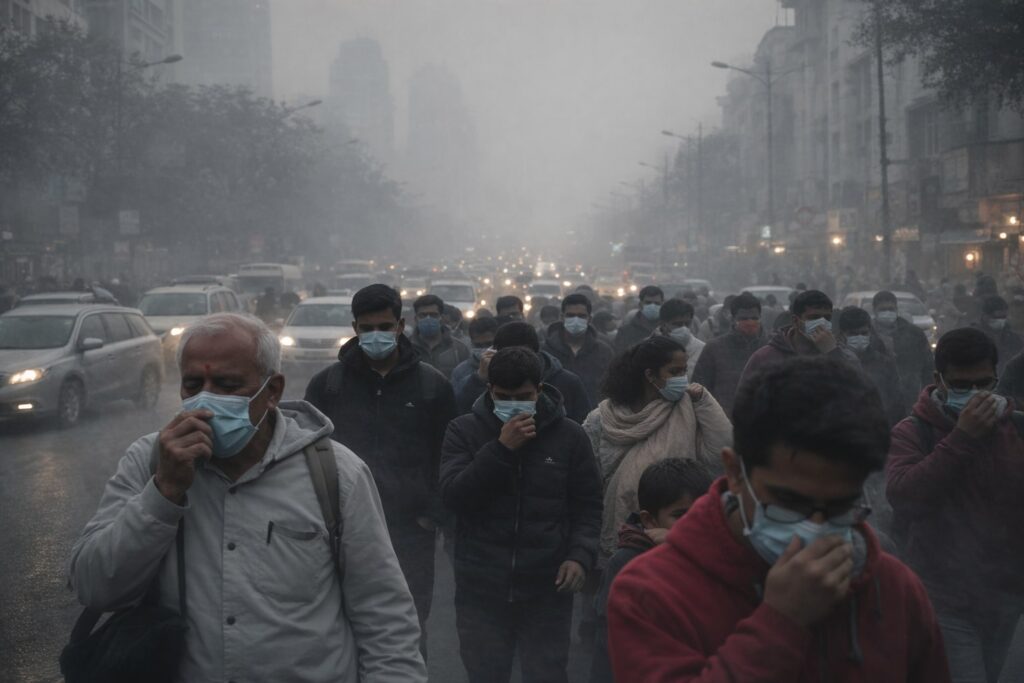
Air Pollution in Delhi–NCR: Current Situation, Health Impact, and What Citizens Must Do Now
Delhi and the National Capital Region (NCR)—including Gurugram, Noida, Faridabad, and Ghaziabad—continue to face severe air pollution concerns, especially during the winter months. A combination of vehicular emissions, industrial activity, construction dust, crop residue burning in neighboring states, and unfavorable weather conditions has once again pushed air quality into unhealthy levels across the region.
The pollution situation is not limited to Delhi alone. Satellite cities such as Gurugram, Noida, and Faridabad regularly record similar air quality patterns, indicating that pollution has become a regional issue rather than a city-specific problem. Calm winds, low temperatures, and temperature inversion further trap pollutants close to the ground, making breathing conditions worse for residents.
Major Causes of Pollution in Delhi–NCR
Several factors contribute simultaneously to the current pollution levels:
- Vehicular emissions from millions of private and commercial vehicles
- Industrial emissions from factories and power plants
- Construction and road dust, especially in rapidly developing NCR zones
- Crop stubble burning during post-harvest seasons
- Firecrackers during festivals and weddings
- Weather conditions that prevent dispersion of pollutants
These combined sources release fine particulate matter (PM2.5 and PM10), nitrogen oxides, sulfur dioxide, and other harmful pollutants into the air.
Health Impact on the Population
Poor air quality directly affects respiratory and cardiovascular health. Doctors across Delhi–NCR report a noticeable rise in:
- Persistent cough and throat irritation
- Shortness of breath and chest tightness
- Worsening of asthma and COPD symptoms
- Eye irritation and headaches
- Fatigue and reduced lung function
Children, senior citizens, pregnant women, and individuals with existing lung or heart conditions are particularly vulnerable. Long-term exposure can increase the risk of chronic bronchitis, reduced immunity, and cardiovascular diseases.
How to Protect Yourself: Preventive Measures
While large-scale solutions require policy action, individuals can take steps to reduce personal exposure:
1. Limit Outdoor Exposure
Avoid outdoor activities during early morning and late evening hours when pollution levels are usually higher. Check daily air quality updates before stepping out.
2. Use Protective Masks
When outdoor travel is unavoidable, wearing a certified N95 or equivalent mask can help filter fine particles.
3. Improve Indoor Air Quality
Keep doors and windows closed during peak pollution hours. Use air purifiers indoors if possible, and avoid indoor smoking or burning incense excessively.
4. Follow a Lung-Friendly Diet
Foods rich in antioxidants—such as fruits, vegetables, turmeric, ginger, and vitamin C—may help the body combat inflammation caused by pollution.
5. Stay Hydrated
Drinking sufficient water helps the body flush out toxins and keeps respiratory passages moist.
Medical Care and When to Seek Help
People experiencing persistent symptoms such as continuous coughing, wheezing, breathlessness, or chest discomfort should not ignore them. Early medical consultation can prevent complications. Those with asthma or other respiratory conditions should strictly follow prescribed medications and keep inhalers readily available.
Children showing signs of breathing difficulty or repeated infections should be evaluated promptly. Preventive check-ups and lung function tests are particularly important during high-pollution periods.
Why Pollution Becomes Worse During Winter
During winter, air pollution levels rise sharply due to low wind speed, temperature inversion, and increased emissions from vehicles and biomass burning. Pollutants remain trapped close to the ground, leading to higher concentrations of PM2.5 and other harmful particles. This seasonal spike in pollution significantly increases the risk of breathing difficulties, especially for people with asthma, bronchitis, and other chronic lung conditions. Managing respiratory health during this period becomes critical, and following proper winter lung care to prevent asthma and bronchitis can help reduce complications and protect lung function.
Role of Authorities and Long-Term Solutions
Authorities across Delhi–NCR have introduced measures such as vehicle restrictions, construction bans during severe episodes, promotion of public transport, and monitoring industrial emissions. However, long-term improvement depends on consistent enforcement, cleaner fuel adoption, sustainable urban planning, and public cooperation.
Citizens also play a role by reducing personal vehicle usage, avoiding waste burning, maintaining vehicles properly, and supporting cleaner energy alternatives.
Conclusion
The pollution crisis in Delhi–NCR is a recurring challenge that affects health, productivity, and quality of life. While policy-level interventions are essential, awareness and preventive action at the individual level remain equally important. Staying informed, minimizing exposure, and seeking timely medical advice can significantly reduce health risks during periods of poor air quality.
As pollution patterns continue to evolve, responsible behavior and collective action will be key to safeguarding public health across Delhi, Gurugram, Noida, Faridabad, and the entire NCR region.